Introduction
Women’s hormonal health influences nearly every aspect of a woman’s well-being, including energy, mood, metabolism, sleep, skin, menstrual cycles, and reproductive wellness. While hormone levels naturally change throughout life, maintaining healthy daily habits can support overall well-being. Understanding these changes helps women recognize what is normal, identify symptoms that deserve attention, and make informed decisions alongside healthcare professionals.
What Are Hormones?
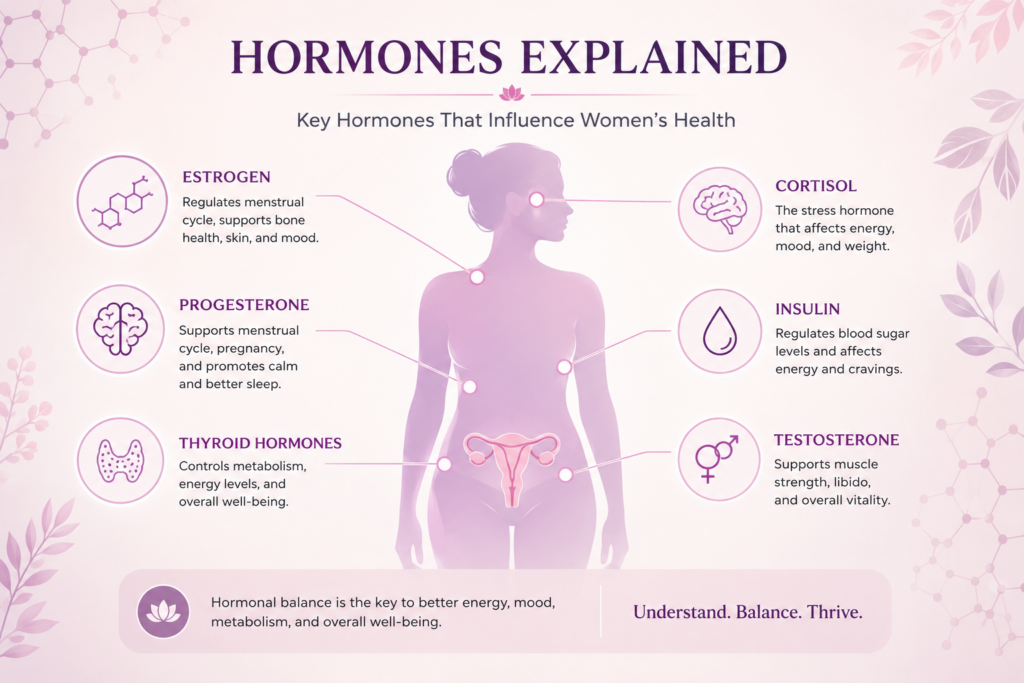
Hormones are chemical messengers produced by glands such as the ovaries, thyroid, adrenal glands, and pancreas. They travel through the bloodstream and coordinate essential body functions. Estrogen and progesterone regulate the menstrual cycle and reproductive health, thyroid hormones influence metabolism and energy, insulin helps regulate blood sugar, cortisol supports the body’s response to stress, and testosterone contributes to muscle, bone, and sexual health. These hormones work together rather than independently.
Common Signs of Hormonal Changes
Hormonal fluctuations are common during puberty, pregnancy, postpartum, perimenopause, and menopause. Some women may notice irregular periods, fatigue, acne, mood changes, sleep disturbances, hot flashes, dry skin, or weight changes. These symptoms can have many different causes, so persistent or severe changes should be evaluated by a qualified healthcare professional.
Factors That Influence Hormonal Health
Nutrition, physical activity, sleep quality, hydration, stress management, and routine medical care all contribute to overall health. Eating whole foods, getting enough protein and fiber, staying active, limiting highly processed foods, and maintaining a consistent sleep routine can all support general wellness.
Daily Habits That Support Overall Wellness
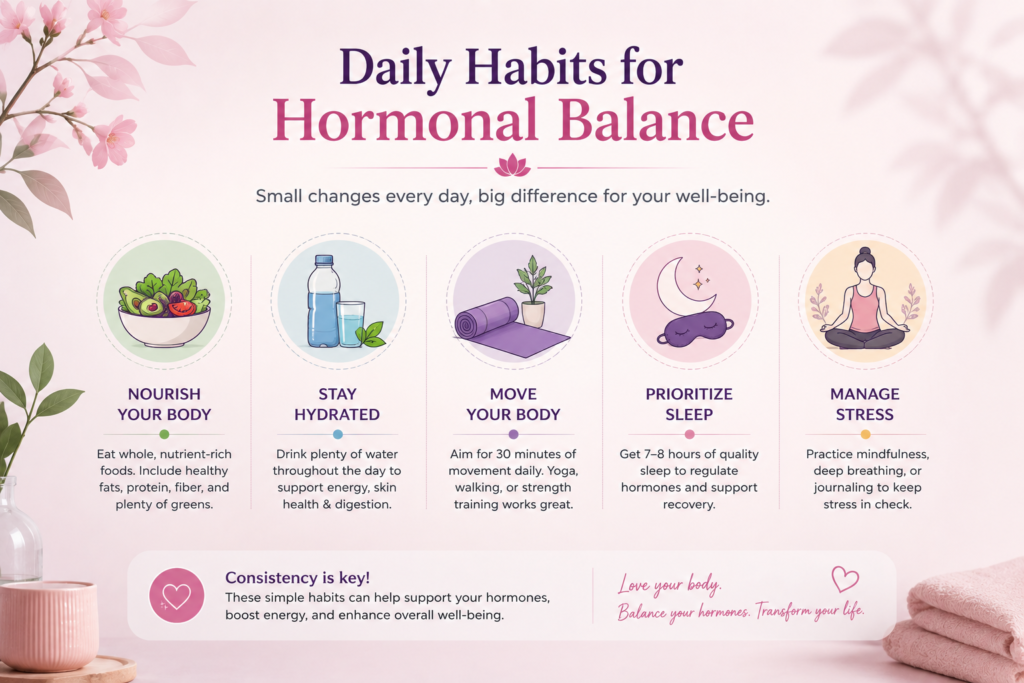
Simple habits practiced consistently often have the biggest long-term impact. Aim for 7–9 hours of sleep, drink enough water throughout the day, include colorful fruits and vegetables in your meals, perform regular physical activity, and make time for relaxation through yoga, meditation, breathing exercises, or hobbies. Small improvements made consistently are more sustainable than drastic short-term changes.
Women’s Hormonal Health Throughout Life
Women experience natural hormonal changes throughout different life stages. Puberty begins reproductive development, the reproductive years involve monthly hormonal cycles, pregnancy brings significant hormonal shifts, and menopause marks another important transition. Understanding these phases can make changes feel less overwhelming.
FemiCore Wellness Corner
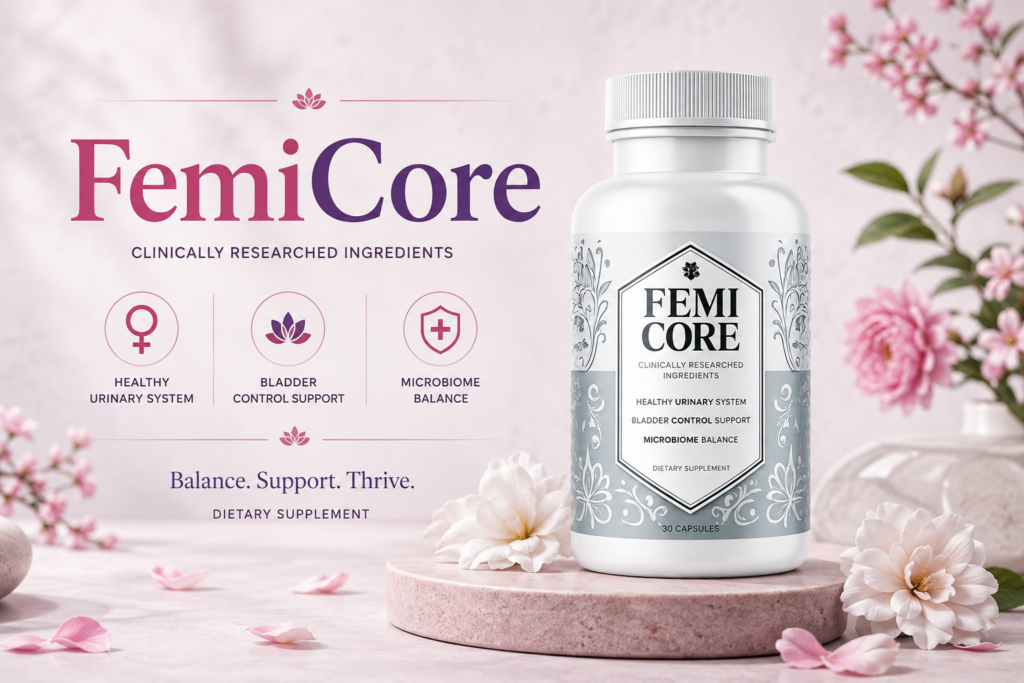
The FemiCore product section should appear here. Describe the supplement accurately according to its packaging and positioning. Present it as part of a healthy lifestyle routine and avoid unsupported claims about treating or curing medical conditions.
When Should You Speak With a Healthcare Professional?
Seek medical advice if you experience severe pelvic pain, unusually heavy bleeding, bleeding after menopause, persistent fatigue, sudden unexplained weight changes, or symptoms that significantly interfere with daily life.
Frequently Asked Questions
Yes. Hormones can influence mood, although many other factors also contribute.
Long-term stress may influence hormonal regulation.
A balanced diet supports overall health and normal body functions.
No. Healthy cycles vary from person to person.